
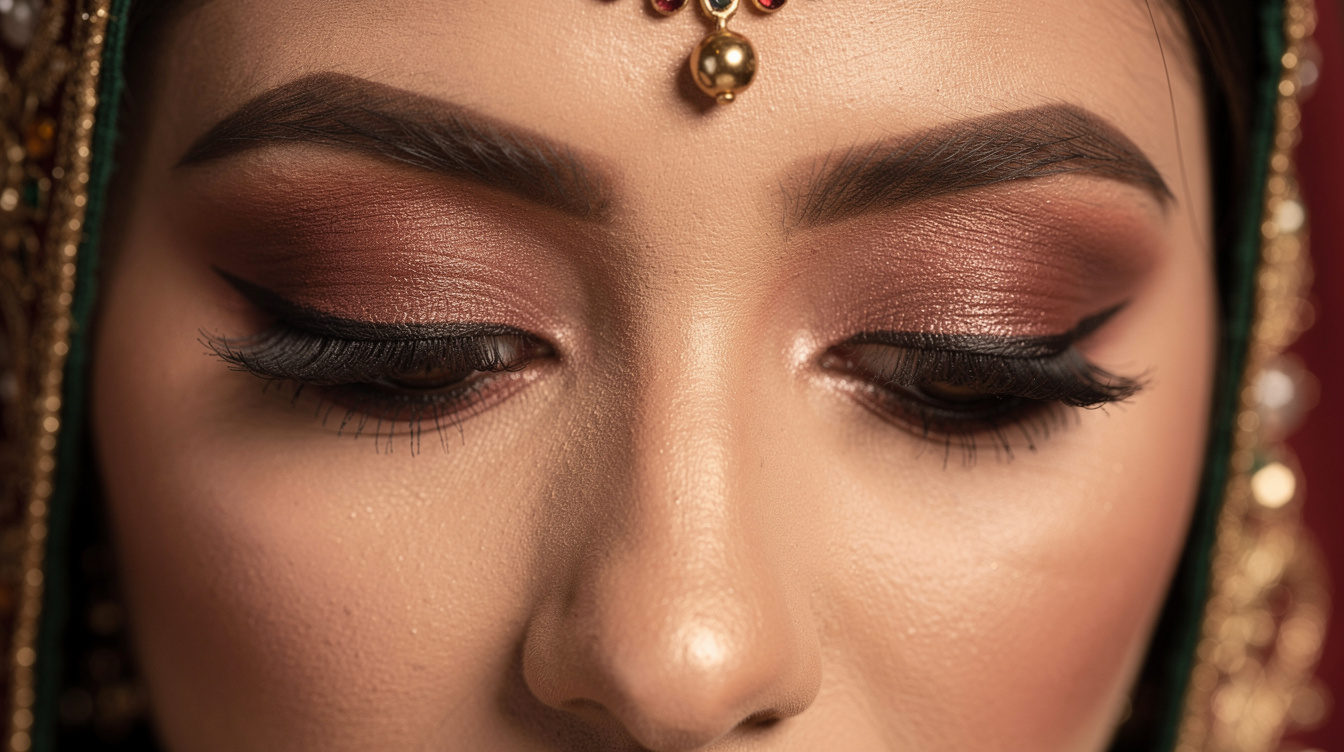
There is a moment — usually around the third failed attempt at a cut-crease or the fifteenth YouTube tutorial that somehow never looks the same on your own face — when you realise that watching is not learning. A self makeup class bridges that gap. It places professional-grade tools in your hands, a trained artist at your shoulder, and a mirror that finally starts to make sense. Whether you dream of launching a freelance career or simply want to master your own look for every occasion, understanding what these classes actually teach — and whether you are the right candidate — is the first real step.
What Exactly Is a Self Makeup Class?
A self makeup class is a structured, hands-on programme designed to teach you how to do your own makeup with professional-level technique. Unlike a full professional makeup course where you learn to work on others, a self makeup course focuses entirely on your face — your skin tone, your bone structure, your features. The curriculum typically spans foundation matching, colour theory, contouring, eye-shadow blending, lip shaping, and occasion-based looks ranging from everyday minimalism to full glam.
What separates a legitimate class from a random workshop is depth. A well-designed self makeup class does not just show you one bridal look and send you home. It builds foundational skills — understanding undertones, learning how primer and setting spray interact with humidity, practising blending until muscle memory kicks in. You walk out with a toolkit of techniques, not just a single memorised routine.
Self Makeup Class vs Professional Makeup Course
The distinction matters. A self makeup class is about mastering your own face. A professional course — such as Shivangi Verma’s 12-Day Bridal Makeup Certification Course in Faridabad — trains you to work on any face, any skin type, any occasion, with the goal of building a career. Many students begin with a self makeup course and later upgrade to the full professional programme once they realise they want to turn this passion into a livelihood. Both share the same foundation: real technique taught by a real working artist, not theory read from a slide deck.
What You Actually Learn in a Self Makeup Course
The syllabus of a quality self makeup course covers more ground than most beginners expect. Here is what a structured programme typically includes:
Skin Preparation and Base Makeup
Every professional look begins with the skin. You learn proper cleansing, moisturising, and priming techniques tailored to your skin type — oily, dry, combination, or sensitive. Then comes foundation selection: understanding the difference between warm, cool, and neutral undertones, and how brands like MAC, NARS, and Fenty Beauty categorise their shade ranges. You practise applying base with brushes, sponges, and fingers, discovering which method gives you the finish you want — whether that is the dewy HD Glass Skin look or a matte, long-wear base.
Contouring, Highlighting, and Colour Correction
Contouring is where most self-taught enthusiasts go wrong. A good self makeup class teaches you face mapping — identifying your face shape and bone structure so you sculpt and highlight in the right places. You learn how to use cream and powder contour products, how to blend without leaving streaks, and how colour correctors (peach for dark circles, green for redness) work under foundation to create a flawless canvas. Products from Charlotte Tilbury and Laura Mercier often feature in these modules for their blendability and pigment quality.
Eye Makeup Techniques
Eyes demand precision. You learn eyeshadow placement (lid, crease, outer V, inner corner), blending transitions, and liner techniques from tight-lining to a sharp wing. Depending on the class, you may also cover false lash application, brow shaping, and under-eye definition. The goal is to understand why certain placements work for your eye shape — hooded, monolid, almond, round — so you can adapt any trend to suit your own features rather than blindly copying a tutorial.
Lip Techniques and Occasion-Based Looks
From overlining to ombré, lip techniques are more nuanced than a single swipe of lipstick. You learn lip liner placement, how to choose shades that complement your overall look, and how to make colour last through meals and conversations. Most courses culminate in occasion-based modules — a natural daytime look, a party look, a festive glam, and often a bridal-inspired look — so you leave with a complete repertoire.
Who Should Enrol in a Self Makeup Class
The short answer is anyone who wants to stop guessing and start understanding. But some profiles benefit more than others:
- Brides-to-be who want to do their own makeup for smaller functions like roka, mehendi, or cocktail evenings — saving the professional artist for the main ceremony.
- Working professionals who want a polished, quick everyday look without relying on parlour visits.
- College students and fresh graduates exploring whether makeup is a viable career before committing to a full professional course.
- Content creators and influencers who need camera-ready looks on a daily basis and want technique, not just product hauls.
- Career changers in their late twenties or thirties who are testing the waters — a self makeup course is a lower-stakes entry point before investing in a comprehensive professional certification.
If you fall into that last category — curious, budget-conscious, perhaps a bit uncertain — know that you are not alone. Many of the students who eventually enrol in professional programmes started exactly where you are: watching Instagram reels at midnight, wondering if this passion could become something real.
Why Learning from a Working Artist Changes Everything
There is a fundamental difference between learning makeup from someone who only teaches and learning from someone who actively works on real brides, real events, and real skin every week. Shivangi Verma has been a working bridal makeup artist since 2012 — that is over thirteen years in the Delhi NCR circuit, with more than 1,000 brides and a consistent 5.0 rating on WedMeGood across 26+ verified reviews. She trained at Makeup Studio in the Netherlands and brought that international perspective home to Faridabad, where she runs her studio and academy.
Why does this matter for a self makeup class? Because a working artist teaches you what actually holds up under real conditions — Delhi’s summer humidity, a twelve-hour wedding day, the unforgiving flash of a DSLR camera. You learn practical solutions, not just textbook theory. As her clients often say, she patiently listens to what you need and delivers results that enhance your natural beauty without overdoing it. That philosophy — enhancement, not masking — carries directly into her teaching approach.
Addressing the Real Fears Around Investing in a Makeup Course
We understand the hesitation. Enrolling in any course is a financial and emotional commitment, and the fears that surface are entirely valid. Let us address the ones we hear most often.
“Will I Actually Learn Anything Useful — or Waste My Money?”
This is the single biggest barrier, and we respect it. A self makeup course fee is meaningful money — and if you are considering upgrading to a full professional programme like the 12-Day Bridal Makeup Certification Course (₹1,00,000 + 18% GST), the stakes feel even higher. The answer lies in format: Shivangi’s training is entirely hands-on. You work on live models, use premium international products during every session, and complete a portfolio photoshoot that gives you tangible proof of what you have learned. Shivangi personally teaches every batch — your education is never delegated to a junior instructor. With 96 hours of intensive practice across 12 days, this is not a surface-level workshop.
“Twelve Days Cannot Possibly Be Enough”
A fair concern. But consider: twelve full days at roughly eight hours each means 96 hours of focused, hands-on practice in small batches with personalised attention. Compare that with a six-month evening course that offers perhaps two hours a week — totalling barely 50 hours over half a year, often in a crowded classroom. Intensity and mentorship matter more than calendar duration. Students from completely beginner backgrounds have completed the course and gone on to take their first bookings within weeks.
“I Am Too Inexperienced — or Too Old — to Start”
We have trained students straight out of college and career changers in their thirties. The curriculum is designed to meet you where you are — from absolute beginner to someone with intermediate skills who wants to refine their technique. Age and prior experience are not prerequisites for talent. What matters is willingness to practise, take feedback, and show up ready to learn.
How a Self Makeup Class Can Lead to a Full Career
Many students who start with learning their own makeup discover a deeper calling. A self makeup course gives you the vocabulary, the hand coordination, and the confidence to explore further. From there, a professional certification course adds the skills needed to work on diverse skin types, manage bridal timelines, build a client base, and set up your pricing structure. It is a natural progression — and one we have seen play out dozens of times at our Faridabad studio.
The professional course goes beyond technique. It includes client management training, portfolio building with a professional photoshoot, business setup guidance, and the kind of mentorship that helps you navigate an industry that can feel overwhelming from the outside. When your training comes from a working artist with 13+ years of real-world experience — someone who has done destination weddings from Jaipur and Udaipur to Sri Lanka and Canada — you are learning the business as much as the art.
What to Look for When Choosing a Self Makeup Class
Not all classes are created equal. Before you invest your time and money, evaluate these factors:
- Instructor credentials: Is the trainer a working professional with verifiable experience, or purely an educator? Look for real portfolios, real client reviews, and real industry presence.
- Hands-on ratio: How much of the class is practice versus theory? You want to be holding a brush, not watching a PowerPoint.
- Products used during training: Are they professional-grade brands like MAC, Huda Beauty, and Dior — or generic substitutes? The products you train with shape your understanding of texture, pigment, and finish.
- Batch size: Smaller batches mean more individual attention. Avoid classes with twenty or thirty students per session.
- Certification and portfolio: Does the course include a photoshoot and a recognised certificate? These matter when you are building credibility.
- Transparent pricing: Beware hidden costs for kits, products, or examination fees. Ask for a complete breakdown before enrolling.
Frequently Asked Questions
Will the 12-Day Course Really Prepare Me for a Career in Makeup?
Yes — provided the course is intensive, hands-on, and taught by a practising professional. Shivangi Verma’s 12-Day programme packs 96 hours of live practice into small batches, covering everything from basic skin prep to advanced bridal techniques like HD Glass Skin and Airbrush makeup. The inclusion of a portfolio photoshoot, client management training, and business setup guidance means you graduate with the tools to start taking bookings — not just a certificate for your wall.
How Is a Self Makeup Course Different from Watching YouTube Tutorials?
Tutorials are one-size-fits-all — they cannot see your skin, correct your blending in real time, or explain why a technique does not work on your particular face shape. A self makeup class gives you personalised feedback, the chance to practise with professional products, and structured progression from basics to advanced looks. The muscle memory you build in a hands-on environment simply cannot be replicated through a screen.
Can I Enrol If I Have Zero Makeup Experience?
Absolutely. Most self makeup classes — and certainly our professional course — are designed to welcome complete beginners. The curriculum starts from foundational skills like skin prep and colour theory before advancing to complex techniques. No prior experience is required; willingness to learn and practise is all you need.
Is ₹1,00,000 Worth It for a 12-Day Makeup Course?
Consider what is included: hands-on training from a certified artist with 13+ years of industry experience, premium international products used throughout the course, a professional portfolio photoshoot, certification, and ongoing mentorship. When you compare this against the cost of longer programmes that offer fewer practical hours and larger class sizes, the value becomes clear. Many graduates recoup their investment within their first few bridal bookings.
Want to Become a Professional Makeup Artist?
Join Shivangi Verma’s 12-Day Bridal Makeup Certification Course in Faridabad. Hands-on training with premium international brands, portfolio photoshoot, certification, and ongoing mentorship included.
📞 +91 9873048267 | 💬 WhatsApp for Course Details | View Full Course →